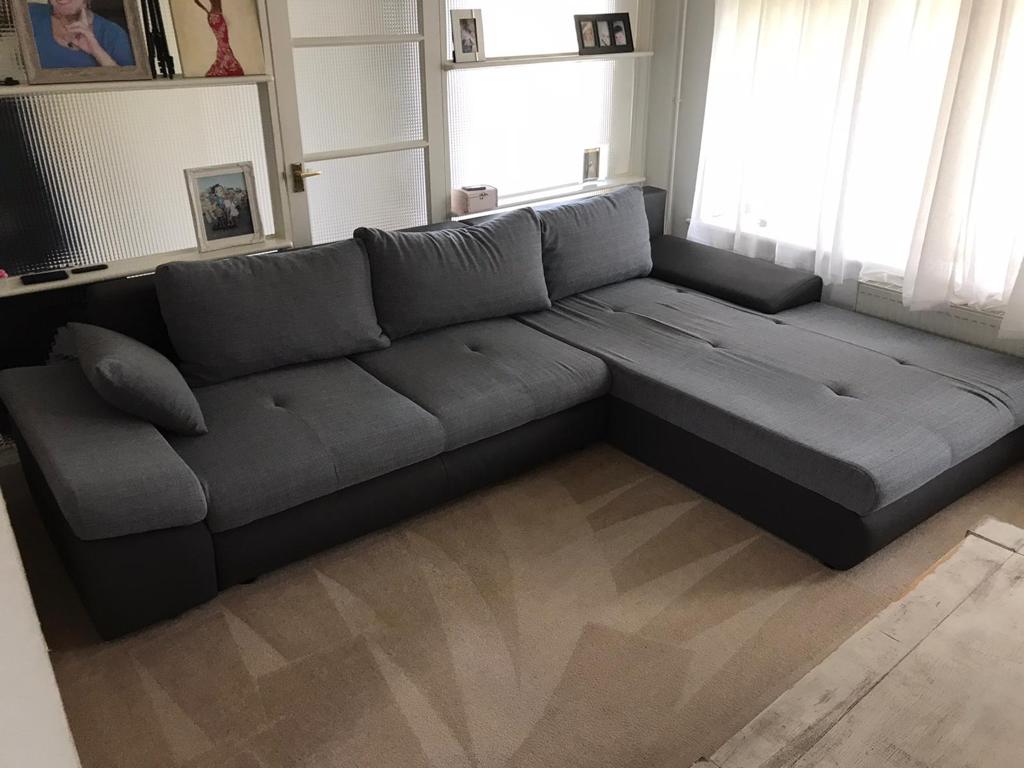
Carpets and upholstered furniture are used every day, yet their cleaning needs can easily be overlooked until staining, dullness or visible soiling becomes noticeable. Unlike hard surfaces, fibres and fabrics can hold fine particles below the immediately visible surface, which means something can look reasonably clean while still benefiting from more thorough attention.
Creating a practical cleaning schedule can make carpet and upholstery care much easier. Rather than waiting until everything looks heavily soiled, homeowners can combine regular household maintenance with periodic professional cleaning based on how individual rooms and furniture are actually used.
For households in Bearsted, Kent, K&S Carpet Cleaning Bearsted provides professional carpet and upholstery cleaning that can complement routine home maintenance and help keep frequently used furnishings looking fresh and well cared for.
Why Is a Cleaning Schedule Useful?
Without a routine, carpet and upholstery cleaning often becomes reactive.
A drink is spilled, a walkway becomes noticeably darker or a sofa begins looking tired, and only then does cleaning become a priority.
A planned approach helps prevent this cycle.
A Practical Schedule Can Help You:
- Keep on top of everyday dust and debris
- Identify stains sooner
- Give high-traffic areas more frequent attention
- Prevent heavily used upholstery from becoming noticeably dull
- Plan professional deep cleaning at sensible intervals
- Maintain a more consistent appearance throughout the home
The important point is that the schedule should suit your household rather than following an unnecessarily rigid timetable.
Start by Looking at How Each Area Is Used
Not every carpet experiences the same amount of wear.
A hallway crossed repeatedly throughout the day has very different cleaning requirements from a spare room that receives occasional use. The same applies to upholstery: the family’s main sofa will usually require more attention than a chair that is rarely occupied.
Divide Your Home Into Different Usage Levels
It can help to think about three broad categories.
High-Use Areas
These might include:
- Hallways
- Stairs
- Living rooms
- Main bedrooms
- Frequently used sofas
- Entrance areas
These surfaces normally require the most regular maintenance.
Moderate-Use Areas
These could include rooms or furniture used regularly but without constant daily traffic.
They should still form part of the routine, but they may not need the same frequency of attention as the busiest areas.
Lower-Use Areas
Guest rooms, occasional chairs and less frequently used spaces may remain visually clean for longer.
They should not be forgotten, but their cleaning schedule can reflect their lighter use.
Make Regular Vacuuming the Foundation of Carpet Care
Vacuuming is one of the simplest ways to manage loose dust, grit, fibres and everyday debris.
Rather than vacuuming every room at exactly the same frequency, concentrate more attention on the parts of the home experiencing the greatest foot traffic.
Pay Particular Attention To:
- Main walking routes
- Entrance areas
- Stairs
- Areas around sofas
- Spaces underneath dining tables
- Frequently used bedrooms
Regular vacuuming helps prevent loose debris from remaining within the carpet for extended periods.
However, vacuuming should be regarded as routine maintenance rather than a substitute for deeper carpet cleaning.
Do Not Forget Less Obvious Carpeted Areas
It is easy to vacuum the visible centre of a room while repeatedly overlooking its edges.
Dust can gradually accumulate around skirting boards, underneath furniture and in corners.
Periodically move accessible furniture and give these less obvious sections some attention.
This can help prevent a room from developing a clean central area surrounded by neglected edges.
Build Upholstery Into the Routine
Sofas, armchairs and other upholstered furniture deserve their own cleaning schedule.
These surfaces are in regular contact with clothing, skin, hair and everyday household debris.
Loose particles can also settle between cushions and into crevices where they are not immediately visible.
Routine Upholstery Care Can Include:
- Vacuuming accessible fabric surfaces
- Cleaning between removable cushions
- Paying attention to crevices
- Checking frequently touched areas
- Looking for developing marks
- Following appropriate care guidance for the particular fabric
Armrests, seat cushions and headrest areas can deserve particular attention because they often receive concentrated use.
Deal With Spills Promptly
A cleaning schedule should still allow for unexpected incidents.
If something is spilled on a carpet or upholstered surface, leaving it until the next planned cleaning session is rarely a sensible approach.
Prompt attention can reduce the opportunity for the substance to spread further into the fibres.
Avoid Excessive Scrubbing
Aggressive rubbing can spread a mark or disturb fibres rather than improving the situation.
The appropriate treatment depends on the substance involved and the material being cleaned.
If a stain remains after careful initial attention, repeated experimentation with different cleaning products can sometimes make professional treatment more difficult.
Create a Simple Weekly Routine
A cleaning schedule does not need to be complicated to be useful.
A basic weekly routine can concentrate on the surfaces experiencing the greatest use.
A Typical Weekly Check Might Include:
- Vacuuming high-traffic carpets.
- Checking entrances and stairs for visible soiling.
- Vacuuming frequently used upholstery where appropriate.
- Removing debris from sofa crevices.
- Checking for new spills or stains.
- Giving particularly busy areas additional attention when necessary.
The objective is consistency rather than turning carpet care into an unnecessarily time-consuming task.
Add a More Thorough Periodic Check
Alongside regular vacuuming, occasionally inspect carpets and upholstery more closely.
Changes often develop gradually and can be difficult to notice when you see the same rooms every day.
Look for:
- Darkened traffic lanes
- Dull areas
- Persistent marks
- Uneven appearance
- Staining
- Heavily used upholstery sections
- Dirt accumulating around furniture
- Areas that no longer respond sufficiently to ordinary vacuuming
These signs can indicate that routine surface maintenance is no longer enough.
High-Traffic Carpet Areas May Need Earlier Attention
One of the most common mistakes is treating the entire carpet as though every section experiences identical use.
In reality, particular routes often become dirty first.
The path from a doorway to a sofa, the centre of a hallway or frequently used sections of stairs may begin looking different from surrounding areas.
If these traffic lanes remain noticeably dull after normal vacuuming, deeper cleaning may be appropriate.
Think About the Household, Not Just the Calendar
There is no single cleaning frequency that suits every property.
A home with relatively light daily use will have different requirements from a busy household where carpets and sofas are constantly in use.
Factors That Can Influence Cleaning Needs Include:
- Number of people using the property
- Frequency of visitors
- Amount of foot traffic
- How often particular rooms are used
- Whether outdoor dirt is regularly brought inside
- The amount of use upholstered furniture receives
- How quickly visible marks develop
A useful cleaning schedule should adapt to these conditions.
Why Vacuuming Alone Has Limitations
Vacuuming is excellent for regular maintenance, but it primarily deals with loose surface and embedded dry debris that the machine can remove.
Over time, carpets can still accumulate more persistent soiling that ordinary vacuuming does not fully address.
Upholstery can behave similarly.
This is where professional deep cleaning can complement the household routine rather than replace it.
When Should Professional Carpet Cleaning Be Considered?
Instead of choosing an arbitrary date, look at the condition of the carpet.
Professional cleaning may be worth considering when:
- Vacuuming no longer restores a consistent appearance
- Traffic areas remain noticeably dull
- Stains persist
- The carpet feels generally tired
- Several areas need more than routine maintenance
- A deeper overall refresh is required
Having the carpet professionally cleaned before it becomes heavily soiled can make maintenance more manageable.
When Does Upholstery Need Professional Attention?
Furniture can benefit from professional cleaning when ordinary maintenance no longer produces the desired result.
Frequently used seating may gradually develop visible differences between high-contact and less-used areas.
Professional Upholstery Cleaning May Be Useful When:
- Seat cushions look noticeably dull
- Armrests show concentrated soiling
- Marks remain after routine care
- The fabric looks inconsistent
- General use has left the furniture looking tired
- A thorough overall clean is required
The cleaning method should always be appropriate for the particular upholstery material.
Avoid Waiting Until Carpets Look Extremely Dirty
Carpets rarely change appearance overnight.
Soiling usually builds gradually, meaning homeowners become accustomed to small changes in colour and consistency.
By the time a carpet looks obviously dirty, substantial soiling may already have accumulated.
A planned cleaning routine makes it easier to respond before the difference becomes particularly pronounced.
Seasonal Changes Can Influence Your Schedule
Your household routine may change throughout the year.
Periods when more dirt and moisture are brought indoors can place additional demands on entrance areas and frequently travelled routes.
Instead of following exactly the same routine throughout the year, increase attention where the condition of the carpet indicates it is needed.
This flexible approach is usually more practical than maintaining a fixed schedule regardless of circumstances.
Keep Entrance Areas Under Control
The entrance to the home can have a significant influence on surrounding carpets.
Dirt carried in on footwear can gradually move from the entrance into adjoining rooms.
Regular attention to these areas can help reduce the amount of debris travelling further through the property.
Entrance carpets and nearby walking routes should therefore feature prominently in a practical maintenance schedule.
Do Not Use the Same Cleaning Approach on Every Material
Carpets and upholstery are manufactured from different fibres and fabrics.
A method that is suitable for one material may not be appropriate for another.
This is particularly important when attempting to treat stubborn marks.
Professional cleaners can assess the material and condition before selecting an appropriate cleaning method rather than relying on a single treatment for every surface.
A Practical Cleaning Schedule Should Be Flexible
The best schedule is one you can realistically maintain.
Rather than creating a complicated calendar, use a simple structure:
Regularly
Vacuum busy carpeted areas and remove loose debris from frequently used upholstery.
When Needed
Respond to fresh spills and visible marks promptly and appropriately.
Periodically
Inspect less-used rooms, carpet edges, furniture crevices and areas beneath accessible furniture.
When Routine Cleaning Stops Being Enough
Consider professional deep cleaning to address more persistent soiling and restore a more consistent overall appearance.
This approach keeps the schedule focused on actual condition and use.
Why Professional Cleaning Complements Home Maintenance
Professional cleaning and routine household care perform different roles.
Regular vacuuming helps control everyday debris, while professional equipment and suitable cleaning methods can provide a more thorough clean when fibres and fabrics require deeper attention.
A good maintenance routine therefore does not eliminate the need for professional cleaning. Instead, the two approaches work together.
Routine care helps manage everyday use, while periodic deeper cleaning helps address what ordinary maintenance leaves behind.
Carpet and Upholstery Cleaning in Bearsted
For homeowners in Bearsted, Kent, K&S Carpet Cleaning Bearsted provides professional carpet and upholstery cleaning for surfaces that need more than routine household maintenance.
We can assess the condition of carpets and upholstered furniture and apply appropriate cleaning methods according to the material and level of soiling.
Whether you are dealing with tired traffic areas, persistent marks or upholstery that needs an overall refresh, professional cleaning can form a useful part of a sensible long-term maintenance routine.
Conclusion
Creating a practical carpet and upholstery cleaning schedule does not require following a complicated timetable.
The most effective approach is to base cleaning frequency on how individual areas are actually used. Busy carpets, stairs and frequently used sofas naturally deserve more regular attention than occasional rooms and furniture.
Routine vacuuming, prompt attention to spills and periodic inspections can help keep everyday soiling under control. When these measures no longer restore a clean and consistent appearance, professional deep cleaning can provide the more thorough attention that carpets and upholstery require.
If your carpets or upholstered furniture in Bearsted, Kent are beginning to look tired despite regular household cleaning, K&S Carpet Cleaning Bearsted can provide professional cleaning to help refresh and maintain the surfaces you use every day.
Call us on: 01233 542 595
Click here to find out more about K&S Carpet Cleaning Bearsted
Click here to complete our contact form and see how we can help with your carpet needs.